

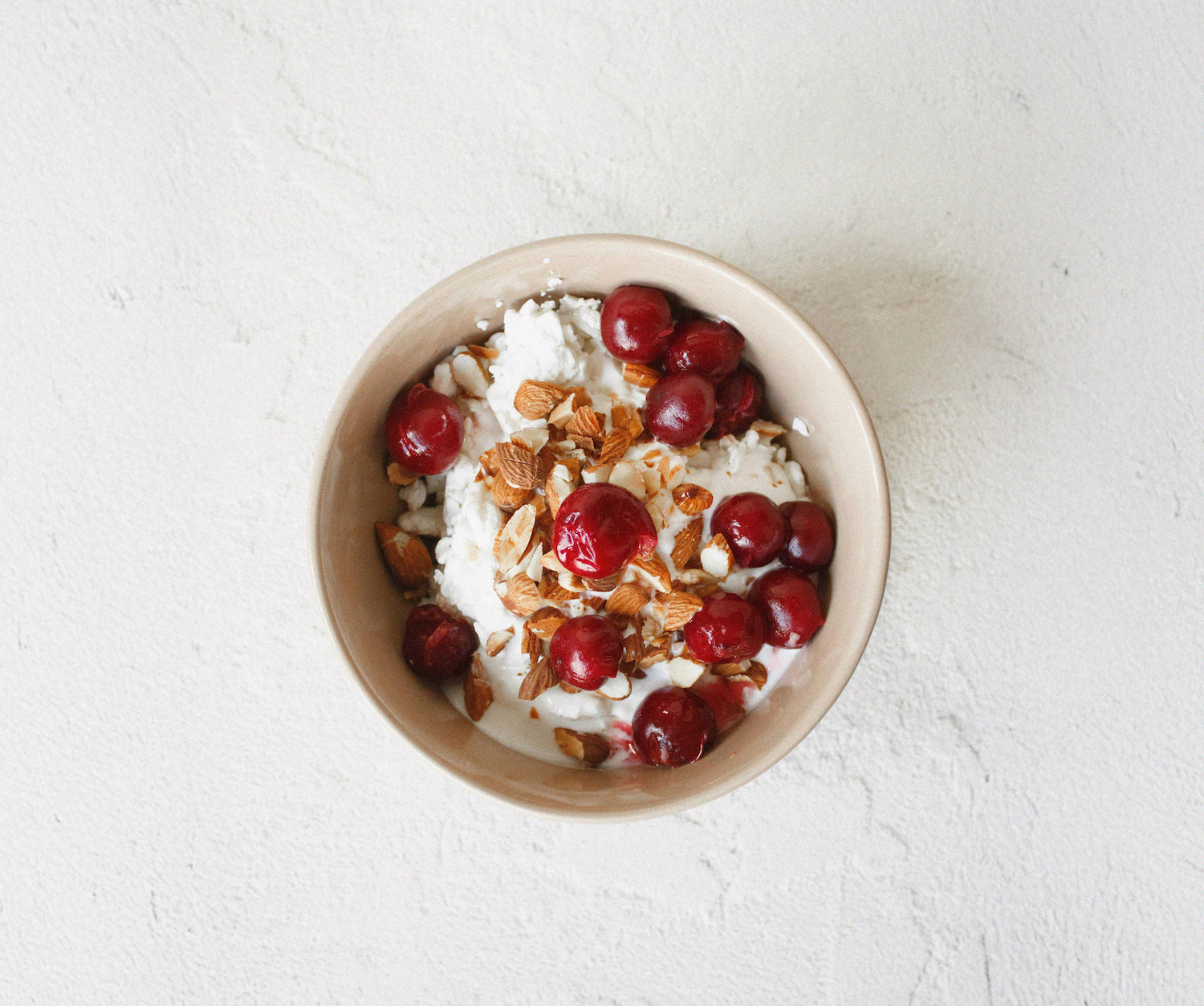
Many people focus on calories when thinking about health. Calories are easy to track, clearly labeled, and often treated as the main indicator of whether a diet is “good” or “bad.”
But calories tell only part of the story. What often matters more, especially for long-term health, is where those calories come from and what nutrients they provide.
What Calories Actually Measure
Calories are a unit of energy. They describe how much fuel food provides, not what that food does in the body.
Two foods can have the same number of calories but deliver completely different outcomes once digested. From the body’s perspective, calories answer only one question: How much energy is available?
They don’t explain whether that energy helps build tissue, support repair, or maintain normal biological functions.
What Nutrients Do Instead
Nutrients are the components of food that the body uses to function properly. These include:
-
Proteins and amino acids
-
Vitamins and minerals
-
Essential fats
-
Trace compounds that support metabolism and repair
Unlike calories, nutrients play specific roles. They act as building blocks, regulators, and cofactors in thousands of processes happening inside the body every day.
Why You Can Eat Enough Calories but Still Feel “Off”
It’s possible to meet or exceed your daily calorie needs while still falling short on key nutrients.
When this happens, the body has energy but lacks the materials it needs to:
-
Maintain skin and connective tissue
-
Support muscle and joint function
-
Regulate hormones and enzymes
-
Repair everyday wear and tear
This disconnect is one reason some people feel low energy, slower recovery, or subtle changes in how their body feels even when they’re eating “enough.”
Nutrient Density vs. Calorie Density
Calorie-dense foods provide a lot of energy in a small volume. Nutrient-dense foods provide a high concentration of essential nutrients relative to their calorie content.
For example, foods like refined snacks, sugary desserts, and highly processed meals tend to be calorie-dense. They supply energy but relatively few vitamins, minerals, or functional nutrients.
On the other hand, foods such as lean proteins, seafood, eggs, leafy greens, legumes, nuts, and whole fruits are more nutrient-dense, delivering essential amino acids, vitamins, and minerals alongside their calories.
Modern diets often skew toward calorie density without nutrient density. Over time, this imbalance can affect how efficiently the body maintains structure, resilience, and overall function.
Why Nutrient Needs Can Change Over Time
Even if your calorie intake stays consistent, your nutrient needs may not.
Factors such as:
-
Age
-
Stress levels
-
Activity patterns
-
Lifestyle changes (like spending more time indoors)
can all influence how your body uses and requires nutrients. This means the same diet that once felt sufficient may no longer provide the same level of support.
Calories and Nutrients Work Together but Aren’t Interchangeable
Calories give your body energy. Nutrients decide what your body can actually do with that energy.
If your diet isn’t perfect and most people’s isn’t.It’s easy to get enough calories while still missing key nutrients. Busy schedules, limited food choices, or eating on the go can all make it harder to get everything your body needs from food alone.
That’s where basic nutrient support can help. Things like protein, essential vitamins, minerals, or collagen can help fill in those everyday gaps and give your body the building blocks it needs to function and recover properly.
A more balanced approach looks at both sides making sure you’re getting enough energy, while also supporting your body with the nutrients it needs over time.
Final Thoughts
Calories matter, but they’re not the whole picture. Nutrients play a critical role in how the body builds, repairs, and maintains itself over time.
Understanding the difference helps shift the focus from simply “eating enough” to supporting the body more intentionally. And when getting all your nutrients from food alone isn’t always realistic, adding targeted support can help fill in the gaps.
If you’re looking to support your routine with high-quality, science-backed nutrition, you can explore EarthNutri’s range of products designed to complement everyday diets and support long-term health.



留言
所有留言在發布前都會經過審核。
此網站已受到 hCaptcha 保護,且適用 hCaptcha 隱私政策以及服務條款。