

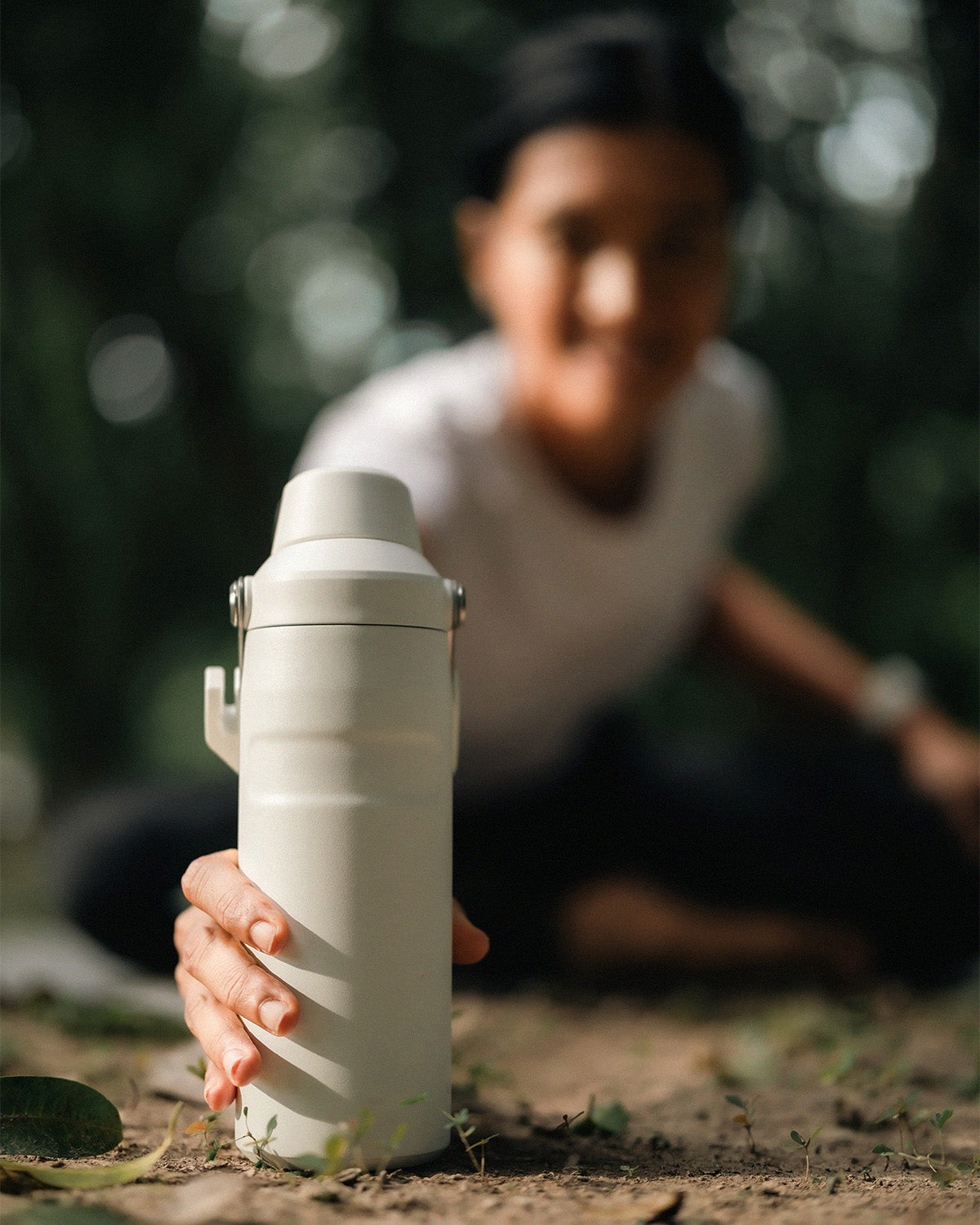
The common perception associated with hydration is drinking water.
However, hydration is not just about consuming more water. In addition to water, there is another factor needed to maintain the correct level of hydration; electrolytes, which are minerals responsible for maintaining the balance of fluids in the body.
Therefore, what is the difference between water and electrolytes?
What Does Water Do?

Water is very important in sustaining life, as it facilitates most bodily processes.
Functions include:
-
Temperature regulation
-
Nutrient transport
-
Assistance in digestion
-
Joint lubrication
-
Waste disposal
Given that the body is made mostly of water, it is important to maintain sufficient hydration levels.
What Are Electrolytes?

Electrolytes are minerals that have an electric charge when dissolved into liquids.
The electrolytes you need are:
-
Sodium
-
Potassium
-
Magnesium
-
Calcium
These minerals help control:
-
Fluid balance
-
Muscle contraction
-
Neural conductivity
-
Hydration efficiency
Electrolytes basically ensure that your body effectively uses water.
Why Water Alone May Not Be Enough
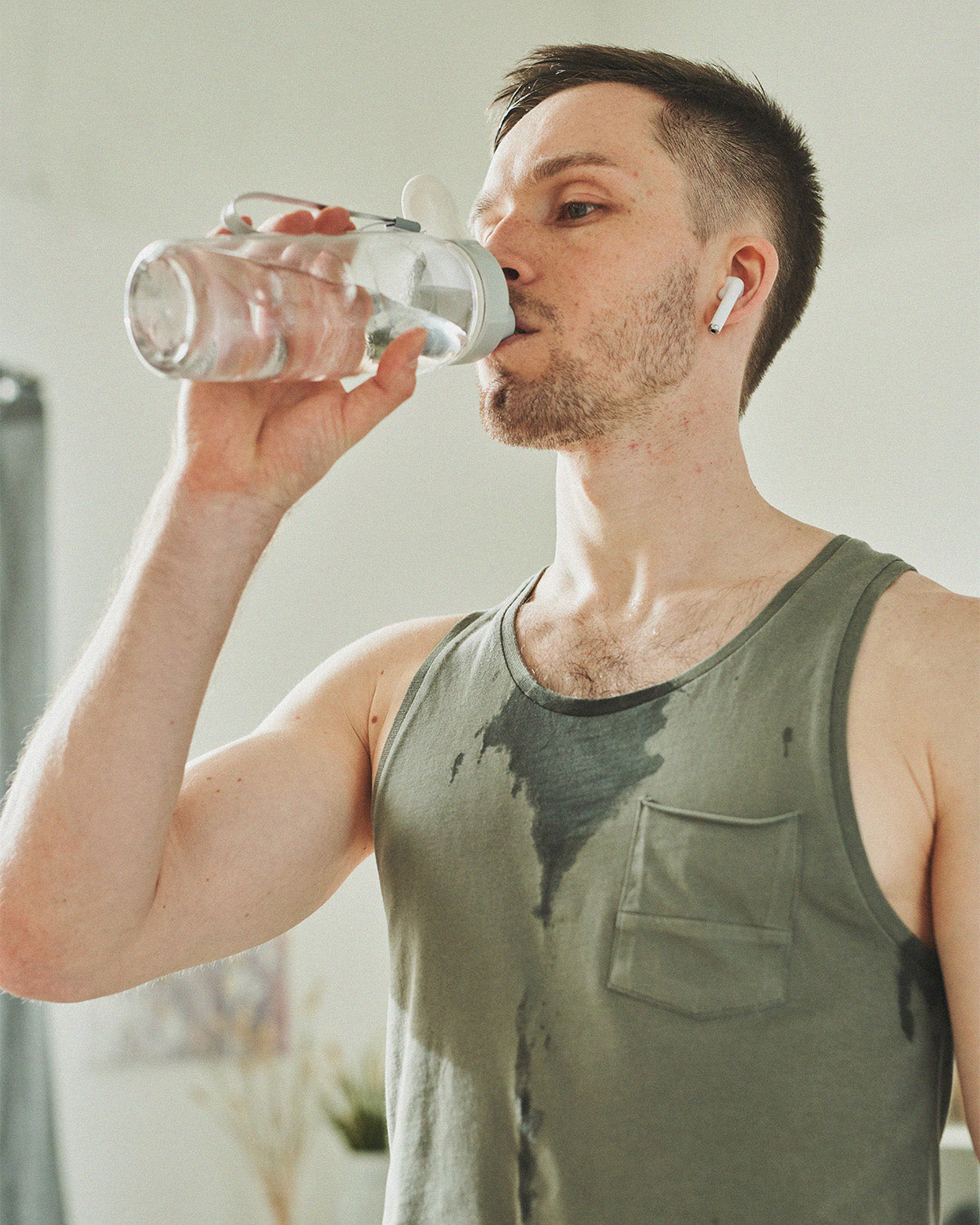
Sweating causes loss of both water and electrolytes from your body.
Consumption of plain water without electrolyte replacement in some cases may cause an electrolyte imbalance.
Such instances include:
-
Intense physical activity
-
Warm climates
-
Travelling for long distances
-
Being sick
-
Hard physical labor
With insufficient levels of electrolytes, the effectiveness of water absorption may be hindered.
Water vs Functional Hydration
Water aids in fluid replacement. Electrolytes help the body conserve and absorb the fluids effectively.
This principle is commonly called functional hydration.
Functional hydration involves ensuring that there is equilibrium between water and electrolyte intake so that your body functions correctly.
Signs of Electrolyte Imbalance

A deficiency in electrolytes could be a cause for:
-
Muscle spasms
-
Tiredness
-
Headaches
-
Weakness
-
Mental fatigue
-
Dizziness
These problems might happen even when you’re consuming sufficient amounts of water.
Final Thoughts
Both water and electrolytes are essential in hydration.
Whereas water replenishes fluids, electrolytes assist in the absorption and effective utilization of these fluids.
Knowledge of the two terms will ensure:
-
Increased energy
-
Enhanced exercise capacity
-
More rapid recovery
-
Optimal hydration
Hydration isn’t just about taking plenty of water; it’s about balance.

Leave a comment
All comments are moderated before being published.
This site is protected by hCaptcha and the hCaptcha Privacy Policy and Terms of Service apply.