

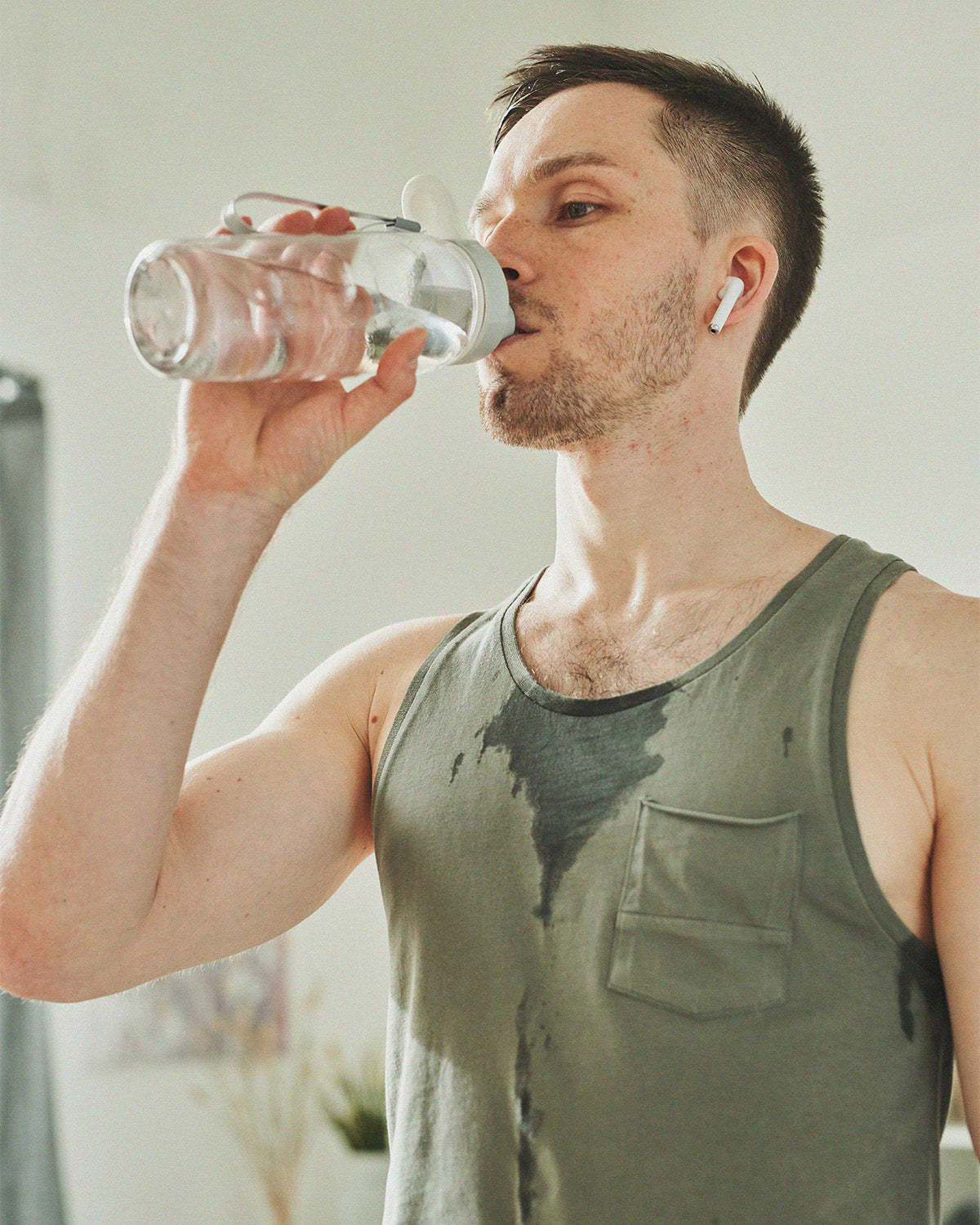
Everyone has probably heard the saying about drinking “eight glasses of water a day.”
However, the truth is that there is not one perfect amount of water intake for everybody. It depends on a number of factors such as physical activity, climate conditions, diet, and even your current state of health.
But how many glasses should you be drinking a day?
Why Water Is Essential

Water is a vital component in almost all the essential processes in the body.
This includes:
-
Controlling body temperature
-
Moving nutrients
-
Eliminating waste
-
Brain functioning
-
Joint lubrication
-
Energy maintenance
Dehydration, even at the slightest level, can impact emotions, concentration, and physical efficiency.
The “8 Glasses a Day” Rule

Recommendation of taking eight glasses of water a day is straightforward for everyone to follow, but there are individual differences among people regarding the required amount of water they need per day.
While some individuals need a lot of water, others might actually need less water than that.
Factors That Affect Your Water Needs
Physical Activity
Exercise increases sweat loss, meaning your body requires more fluids to maintain hydration.
Climate and Temperature
Hot or humid weather can increase fluid loss throughout the day.
Diet
Foods high in sodium, caffeine, or protein may increase hydration needs.
Travel
Air travel and long periods of movement can contribute to dehydration.
Overall Health
Illness, stress, and lack of sleep can also impact fluid balance.
Signs You May Need More Water
Early indicators that your body is at risk of becoming seriously dehydrated can often be detected.
They consist of the following:
-
Thirsty mouth
-
Headache
-
Lethargic feeling
-
Confusion
-
Dark colored urine
-
Unable to focus on certain matters
Is Water Alone Always Enough?

Certainly not.
When you sweat, do physical exercises, or experience excessive heat, the loss of electrolytes will accompany the loss of water from your body.
Electrolytes like sodium, potassium, and magnesium aid in maintaining proper fluid balance within the body and enable water absorption into the body. A lack of electrolytes makes it difficult for your body to retain the water it needs. This is why many people today have started consuming hydration products alongside water.
These products include: Earth Nutri Hydration
Final Thoughts
There is no ideal amount that works for everyone regarding water consumption. One has to be keen on their body and the level of their physical activity.
This means hydration should not just be about taking more water but should be used to help the body achieve its desired fluid balance.


Leave a comment
All comments are moderated before being published.
This site is protected by hCaptcha and the hCaptcha Privacy Policy and Terms of Service apply.